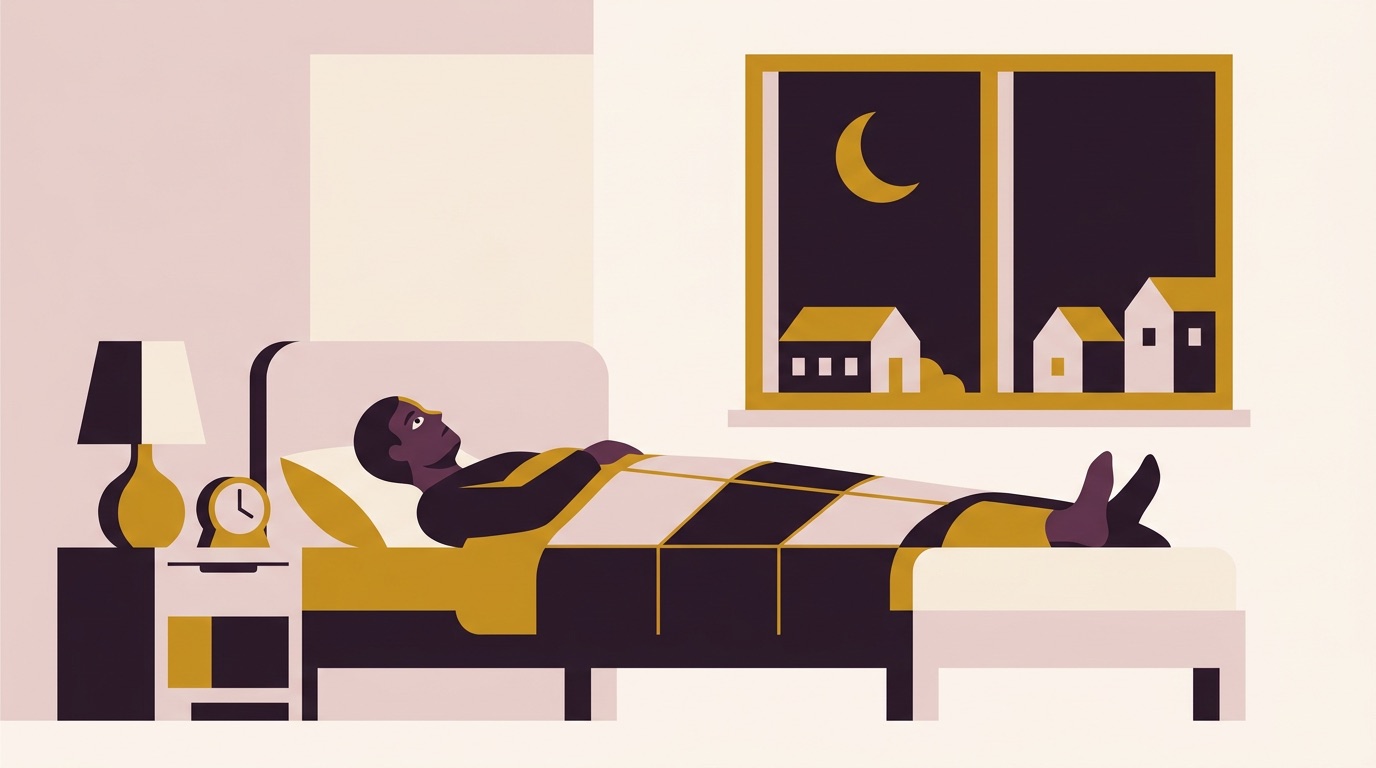
Poor sleep makes you more down, more anxious and less resilient. In turn, mental health complaints worsen sleep problems. How do you break that cycle?
Sleep and mind are inseparably linked
Everyone has a bad night now and then. But when sleep problems persist for weeks or months, there is almost always a connection with mental health. Anxiety, worrying and low mood keep the brain active at the very moment it wants to fall asleep. And the other way around: those who consistently sleep too little become more irritable, more anxious and less able to cope with setbacks.
What are the most common sleep problems?
Insomnia (difficulty falling or staying asleep) is the most frequently diagnosed sleep disorder and affects an estimated one in five adults in the Netherlands. Other forms include nightmares linked to trauma, hypersomnia (sleeping too much, often with depression) and sleep apnoea, which can also cause or worsen mental health complaints.
When is it more than tiredness?
Watch for these signs: you cannot concentrate during the day despite enough hours of sleep, you do not feel rested after sleeping, you actively worry when lying awake, or your daily functioning suffers, at work, in relationships or at home. If this lasts longer than three weeks, it is worth having it looked at seriously.
What can you do yourself?
Sleep hygiene helps: fixed bedtimes, no screens for an hour before sleep, a cool and dark room. But when sleep problems are linked to worrying or anxiety, behavioural interventions are more effective. CBT-I (Cognitive Behavioural Therapy for Insomnia) is proven effective and works better for most people than sleep medication in the long term.
When to see a psychologist?
If sleep problems affect your daily life and self-help does not work, an intake conversation with a psychologist is a logical next step. During the intake the provider maps out whether the sleep problems are part of a broader complaint, such as anxiety or depression, and what the most suitable approach is.
Need help?
Book an intake without a waiting list
An appointment with a qualified psychologist within 24 hours, no referral letter, no waiting time.
Find a provider